
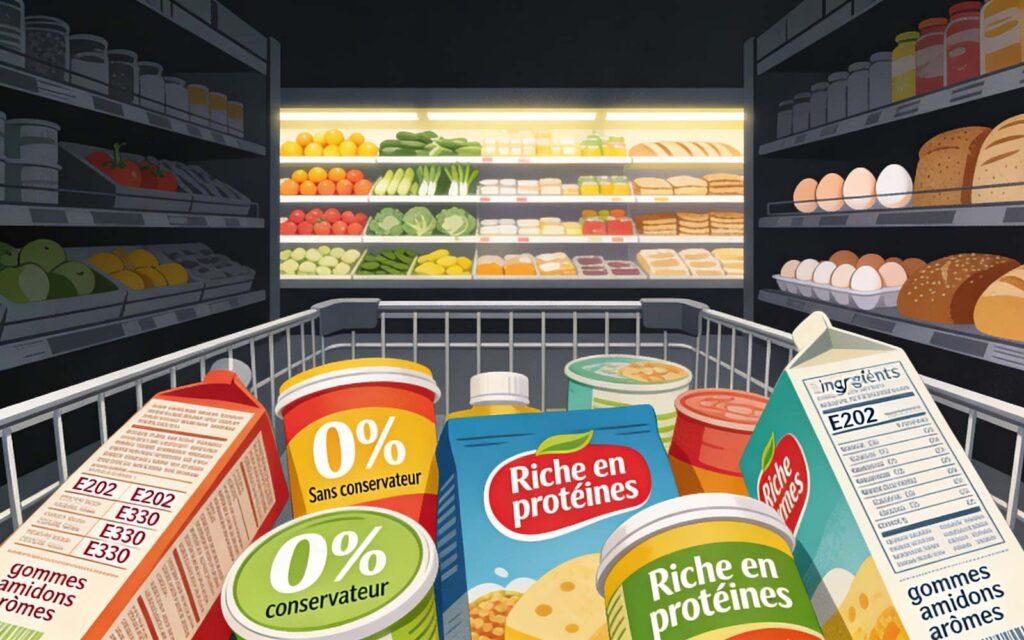
To get your artisanal food products onto supermarket shelves, you must guarantee strict sanitary compliance and prove reliable shelf-life stability (use-by or best-before dates). Supermarket chains demand ironclad assurances: watertight traceability, adherence to the cold chain or validated pasteurization schedules, and packaging that fully complies with current food labeling regulations.
📌 Key Takeaways
- Organize your workshop layout using the linear workflow ("marche en avant") principle to eliminate cross-contamination risks.
- Extend the shelf life of your jars, sauces, or flours using laboratory-validated natural preservation methods.
- Provide complete, legally compliant labeling (allergens, nutrition facts, full traceability) to immediately reassure retail category managers.
How to Set Up an Artisanal Processing Workshop to Prevent Contamination
When a retailer rejects an artisanal product, it is rarely due to flavor—it is almost always because of gaps in good hygiene practices. To scale your food processing operations, your workspace must adopt an industrial mindset, even on a micro-scale.
HACCP compliance begins with the fundamental principle of forward flow (the linear workflow, or "marche en avant" in space or time). This ensures that raw materials never cross paths with finished, packaged goods. Here are the non-negotiable operational foundations to establish:
- Clear zoning: Strictly delineate a raw receiving area, a clean preparation zone, and a sterile or sanitarily controlled packaging space.
- Cleaning and Sanitation Plans (SSOP): Implement precise tracking sheets and sanitation standard operating procedures for every prep counter, cutting tool, and cooking vessel.
- Staff hygiene standards: Wearing hairnets, dedicated clean protective aprons, and enforcing meticulous hand-washing protocols remain the most effective physical barriers against pathogens such as Salmonella or Listeria.
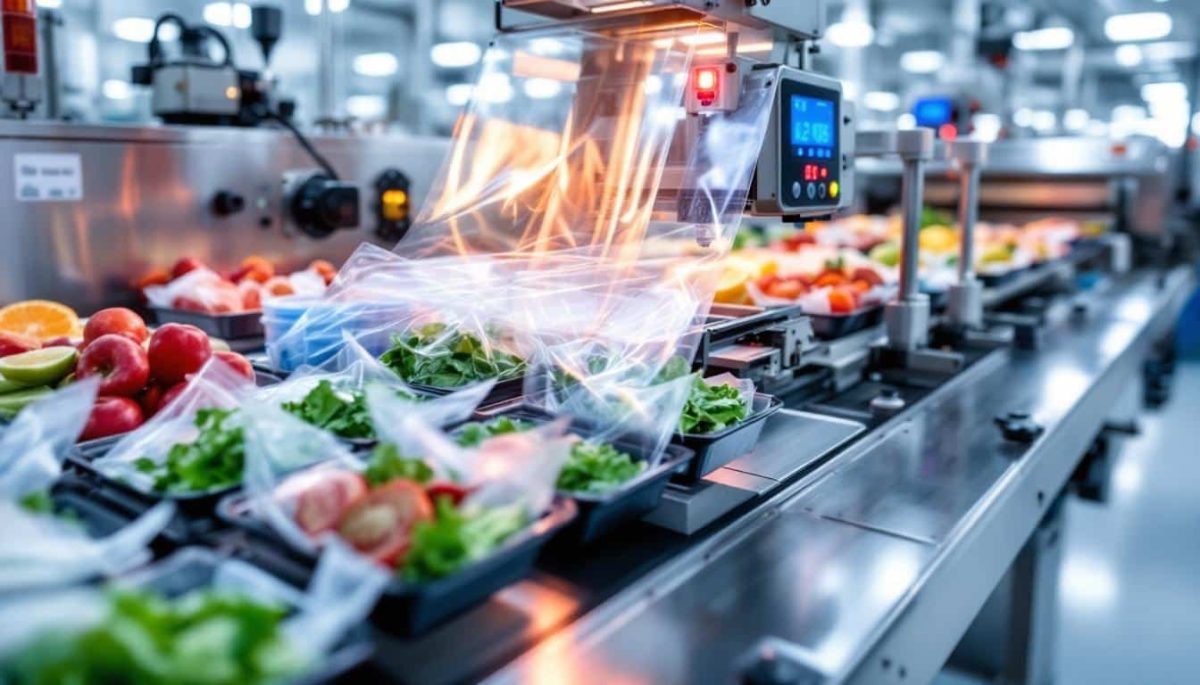
Food Safety Compliance & Preservation: Get Your Processed Foods into Supermarkets
Which Natural Methods Can You Use to Extend Shelf Life?
Supermarket category buyers prioritize products capable of sitting on shelves for weeks or months without organoleptic degradation. Meanwhile, modern consumers actively reject synthetic chemical preservatives. How can you strike the ideal commercial balance?
Controlling key physicochemical parameters allows you to stabilize your recipes entirely naturally:
- Water Activity (Aw) and pH control: Lowering pH levels below 4.5 (through natural acidification using lemon juice or vinegar) inhibits the growth of harmful bacteria.
- Controlled thermal processing: Gentle pasteurization or pressure-canning (retort/autoclave sterilization) eliminates microbial hazards in preserves while retaining natural texture and vitamins.
- Protective packaging: Vacuum sealing or hot-filling in hermetically sealed glass jars minimizes oxidation and curtails the proliferation of aerobic molds.
Once your preservation protocol is finalized, you must validate your shelf-life claims through accelerated challenge and aging tests at an accredited food testing laboratory to obtain the certificates retailers require.
What Are the Mandatory Labeling Requirements for Retail Packaging?
A poorly labeled item will be instantly turned away by retail procurement departments because non-compliance exposes the supermarket to legal liability. Your packaging must communicate high brand value while strictly adhering to food safety packaging laws.
Every unit intended for retail distribution must prominently and legibly display the following mandatory details:
- Exact legal product name: A transparent description defining the true nature of the food item without misleading the buyer.
- Complete ingredient list: Listed in descending order by weight, with explicit typographic highlighting (bolded or underlined) for major food allergens.
- Nutrition facts declaration: The mandatory standardized nutritional table specifying energy, fats, carbohydrates, proteins, and sodium/salt per 100g or 100ml.
- Operational traceability data: The manufacturing batch/lot number, the expiration date (Use-By Date or Best-Before Date), and the complete business name and contact address of the producer or distributor.
How to Pitch and Secure Your First Retail Listing
Once your food safety and compliance dossier is bulletproof, commercial negotiations become significantly smoother. Store managers and central buyers look for reliable supply consistency and complete administrative rigor. Pitching with comprehensive technical data sheets, spotless third-party microbiological lab results, and standard GS1-compliant retail barcodes (EAN-13) immediately positions you as a professional partner ready to scale.